

 A Bulbs
 Deco Bulbs
 Filament Bulbs
 High Watt Bulbs
 Spot Lamps
 Others
 Downlights
 Spotlights
 Panel Lights
 Flood Lights
 Street Lights
 LED strip lights
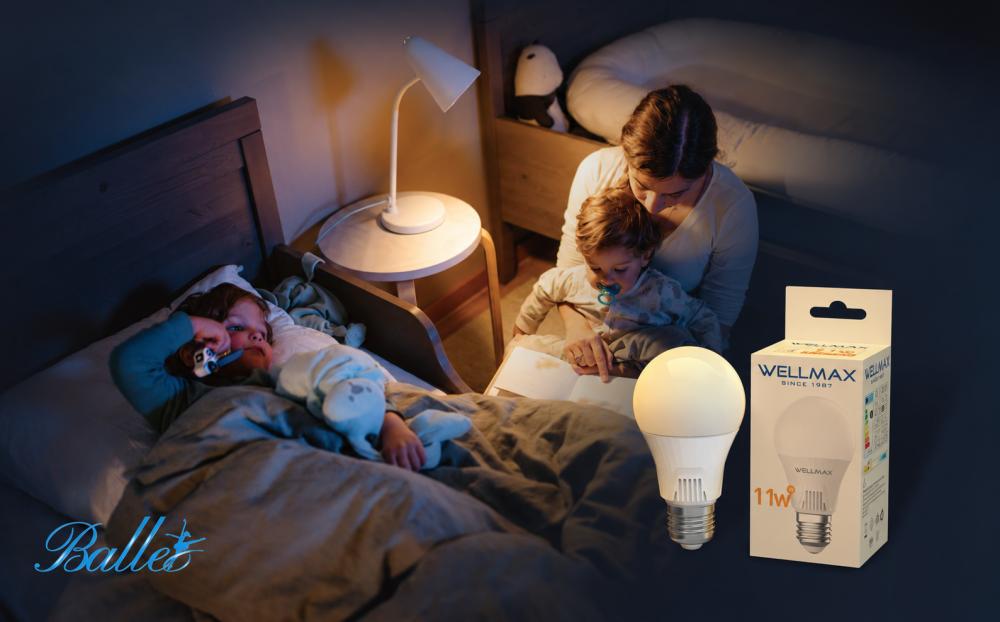
A bulb that sells well in one country may require a different electrical configuration, base type, or packaging before it can be introduced into another market. The bulb’s external appearance may remain unchanged. For importers, the key question is which specifications can remain unchanged and which require verification for the destination market. Rated voltage, base type, compliance documentation, and packaging information should all correspond to the selected product configuration.
Why the destination changes the bulb specification
The destination country provides an initial reference, but it does not determine the complete product specification. A distributor may supply several fixture types within the same market, while another may serve neighboring countries with different electrical systems. In both cases, product selection requires more detailed specifications than the general description “standard LED bulb.”
The four specification areas below should be considered together. Reviewing them independently may result in inconsistencies between the selected product configuration, packaging, and compliance documentation.
| Specification | What to establish | Why it matters |
| Electrical input | Rated voltage range and frequency | The lamp must suit the intended supply. |
| Base | Base type and fixture fit | Similar appearance does not establish compatibility. |
| Market documentation | Applicable market requirements and supporting compliance documentation for the selected model | Compliance documentation must correspond to the specific product model and configuration. |
| Packaging | Model details, required labels and language | Packaging information must accurately reflect the supplied product. |
These requirements should be reviewed together when extending an existing LED bulb range into a new market. An existing bulb design may be retained, but its electrical configuration, compliance documentation, and packaging requirements must be verified for the destination market.
Matching voltage to the intended supply
Nominal supply and rated input
Country-specific supply voltage information can help buyers narrow down suitable LED bulb configurations. Germany uses a nominal 230 V supply, while Japan uses 100 V, with 50 Hz or 60 Hz depending on location. Brazil has 127 V and 220 V supplies. These examples explain why regional labels such as “European” or “Latin American” are insufficient purchase specifications.
The bulb’s rated input voltage range must be compatible with the intended power supply. A 220-240 V version is not a substitute for a version intended for 100 V. Confirm frequency separately; a voltage range alone does not tell you the frequency rating.
Different versions within one series
An importer can maintain a consistent product range while selecting different electrical configurations for specific markets. WELLMAX’s Ballet LED Bulb Series provides a useful example. The A/BL/0/7/0 range includes different rated voltage options, such as 100-240 V and 220-240 V, depending on the selected wattage and configuration.
Buyers should verify the rated input voltage options available for each Ballet LED Bulb model. For example, the 25 W version in this range is rated for 220-240 V. The rated voltage range of a lower-wattage model should not be assumed to apply to a higher-wattage model without verification.
Specify the selected rated input voltage in the order details. If multiple configurations share the same series identifier, include the rated input voltage and input power to distinguish them clearly.
LED bulb base types and fixture compatibility
Base type and electrical rating are separate specifications that must both be verified. E26 and E27 are screw-base types, while B22 is a bayonet-base type. The base type identifies the lamp’s connection interface but does not determine its rated input voltage or electrical compatibility with the intended power supply.
Our Ballet A/BL/0/7/0 range lists E27 and B22 options. These give distributors a choice for different existing fittings. They do not establish E26 availability for this range; that would need a separate product confirmation.
When comparing LED bulb base types for distribution, request the base type alongside overall dimensions. The bulb’s overall dimensions must also be compatible with the intended fixture, even when the base type matches.
For example, the 9 W Ballet A/BL/0/7/0 version measures 60 mm in diameter and 106 mm in length. Use dimensions for the selected version when reviewing fit. A photograph of another wattage in the same family is not a dimensional reference.
LED bulb compliance requirements follow the market
Market suitability must be supported by documentation relevant to the specific product model and configuration. Ask which requirements apply to the lamp’s intended destination and use, then check the selected configuration against the relevant compliance documents. Avoid accepting a list of logos as the answer.
For products subject to CE marking requirements, manufacturers must identify the applicable EU legislation, assess conformity, prepare the required technical documentation, and draw up an EU Declaration of Conformity. CE marking indicates the manufacturer’s declaration that the product meets the applicable EU requirements; it is not a general product quality certification.
The model identification deserves close attention. If a declaration covers a different electrical version, ask the manufacturer to clarify the scope before approving the order. A similar product photograph or matching family name does not resolve that question.
Energy labeling is another key part of EU compliance. In-scope light sources placed on the EU market as independent products and supplied in packaging must carry the applicable A-G energy label, with the required product information and technical documentation registered in EPREL. The label’s QR code connects buyers to the model information.
These EU requirements do not describe every destination. For other destination markets, identify and verify the applicable requirements with the importer and qualified compliance professionals. Reusing an EU box or document set is not a substitute for that review.
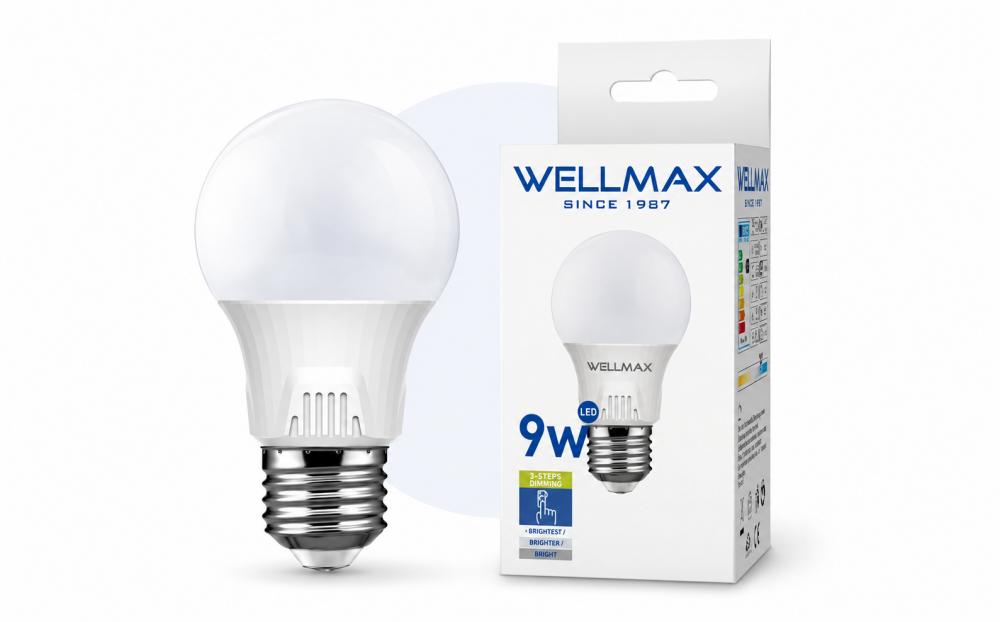
Aligning Packaging With Market-Specific Specifications
The retail box should be developed alongside the product version. Translating an existing design may leave the wrong electrical rating, model reference or market label in place. Review the printed information against the agreed bulb specification before releasing the artwork.
For covered general service lamps in the United States, the FTC Lighting Facts label provides information including brightness, energy cost, life, light appearance and wattage. Coverage has exceptions, so confirm the lamp category before deciding which labeling format applies.
EU and US label layouts serve different requirements. Reserve space for the relevant label early, and base performance statements on the selected product. A box designed around another model’s output or energy class needs more than a language change.
WELLMAX can provide packaging design support based on confirmed product specifications and market requirements. Importers should prepare a clear market brief and approved product information before the design process begins.
A final artwork review can focus on four practical checks:
- Match the model number, rated input power, rated voltage, and base type to the confirmed order specifications.
- Verify luminous flux and other performance claims against the selected product configuration.
- Confirm required language, labels and responsible-party information.
- Distinguish variants clearly on unit boxes and outer cartons.
A consistent range with market-specific versions
A well-defined export product range combines consistent product identity with specifications verified for each destination market. Verify the rated input voltage, base compatibility, applicable compliance documentation, and packaging requirements before introducing a bulb configuration into a new market. Keeping those decisions connected also gives repeat orders a clear reference.
WELLMAX provides product selection assistance, application-based technical consultation, and packaging coordination based on specific market and product requirements. Applicable certifications and compliance documentation for target markets should be confirmed for each selected model and configuration.
To discuss LED bulb options for your destination market, contact WELLMAX with the intended market, local supply voltage, and base type requirements. Our team can help identify suitable product configurations for further evaluation.
FAQ
Can one LED bulb work in different countries?
A single LED bulb may be suitable for use in multiple countries if its rated voltage and frequency are compatible with the intended power supplies and its base fits the relevant fixtures. Market documentation and packaging still need separate confirmation, even when the electrical version can remain the same.
What are the main LED bulb base types in this article?
E26 and E27 are screw-base types, while B22 is a bayonet-base type. Select the specified base type for the intended fixture and check the lamp’s electrical rating separately.
Does a 100-240 V rating mean worldwide approval?
No. That rating describes an input voltage range. It does not establish frequency compatibility, fixture fit, or compliance with the requirements of every destination market.
Can the same packaging be used for EU and US sales?
Only after confirming that the design satisfies the applicable requirements for both destinations and describes the actual product. EU energy labeling and US Lighting Facts requirements differ, so a shared layout needs specific review.
What should change when a distributor adds another market?
Recheck the rated input voltage, frequency, base type, applicable compliance documentation, and packaging requirements. Retain existing specifications only where they remain suitable for the new market. Confirm any changed configuration before reusing the previous order description or artwork.