

 A Bulbs
 Deco Bulbs
 Filament Bulbs
 High Watt Bulbs
 Spot Lamps
 Others
 Downlights
 Spotlights
 Panel Lights
 Flood Lights
 Street Lights
 LED strip lights
The worldwide lighting industry in 2026 needs far more than basic brightness. Buyers are looking for products that offer strong performance, energy efficiency, and reliable technology. For bulk sellers and suppliers, the challenge lies in spotting a skilled LED light bulb factory from an assembly-driven factory. True expertise forms the foundation that defines product durability, safety standards, and, ultimately, your company’s position in a competitive market. This article lists the key tech standards you should check before locking in your supply deal.
What Defines a Top-Tier LED Bulb Manufacturing Factory?
The criteria of top quality in a light bulb factory has changed a lot. Now, real skills are shown in how well the factory blends advanced chip tech with thermal management.
Besides the parts, seek out a factory that grasps the blend of human-centric lighting and power savings. An advanced LED bulb factory supplies items that fit the EU’s newest ErP rules. It will also deliver steady light without flickers and high CRI values to boost user comfort.
Why is an In-House R&D Center the Ultimate Litmus Test for a Light Bulb Factory?
Professional tech expertise starts in the lab, not in the salesroom. A capable light bulb factory must put a lot of money into its own research and development setup. When a factory holds its own patents, it may indicate the factory has worked on advanced design challenges.
An internal test facility lets an LED bulb factory run vital checks such as:
- Color spectrum checks to confirm steady shades
- Heat scans to spot weak spots in the driver
- Electromagnetic compatibility tests to make sure the bulbs prevent interference with other devices
- Accelerated aging tests to verify the stated 25,000 to 50,000 hours of use
How to Audit the Technical Quality Control of an LED Bulb Factory?
Checking skill means examining the fine details of the making process. A busy LED bulb manufacturing factory should use automated photometric inspection and machine assembly to reduce human error. These skills also appear in how a factory deals with the driver—the top spot for breakdowns in LED items.
When reviewing, examine the “Three-Stage” quality process. A light bulb factory should check carefully on incoming parts like capacitors and chips. Then, it runs full aging tests in hot and high-power settings. At last, the LED products need final quality checks to ensure each group fits the approved sample from the buying stage.
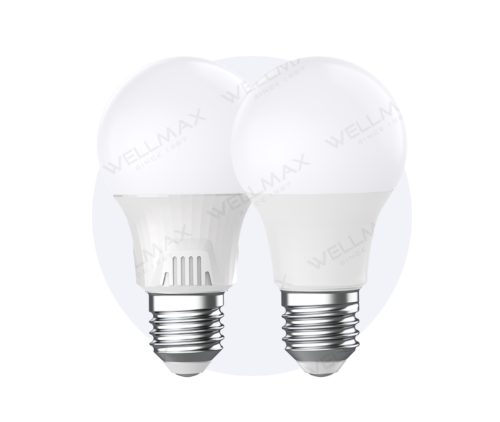
Technical Specification Comparison: Standard vs. Premium LED Solutions
To grasp the technological depth of an LED bulb manufacturing factory, you have to study the details of its product levels. The chart below shows the technological gaps between basic business bulbs and the advantages often seen in a top light bulb factory.
| Technical Parameter | Standard Wholesale Series | High-Performance Professional Series |
| Luminous Efficacy | 80 – 90 lm/W | 100 – 130+ lm/W |
| Chip Source | Generic Grade | Tier-1 Brands (Samsung/Cree) |
| Driver Type | RC Driver / Linear IC | Constant Current / Isolated Driver |
| Color Rendering (CRI) | Ra > 70 | Ra > 80 or Ra > 90 |
| Beam Angle | 180° – 200° | 230° – 330° (Full Beam Angle) |
| Life Span (L70) | 15,000 Hours | 30,000 – 50,000 Hours |
| Warranty Period | 1 Year | 2 – 5 Years |
What Role Does Brand Support and Global Distribution Play in Technical Credibility?
Tech skills cover more than the item itself. It includes the whole system backing it up. A trusted LED bulb factory will give more than just the gear. They hand over full tech sheets, IES files for light planners, and certification documents for different world markets.
A factory’s global reach demonstrates its technical versatility. For example, running a Global Distributor Program across over 100 nations means a light bulb factory must handle varied power needs, weather setups, and safety approvals from CE and RoHS to SASO and NOM. When a manufacturer has adapted its products for multiple markets and power systems, it shows an engineering level that a locally LED bulb manufacturing factory can’t reach.
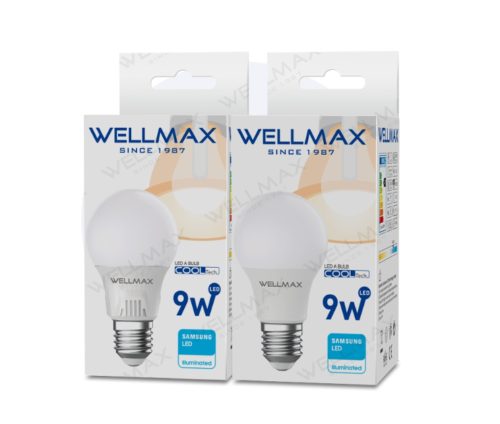
Leveraging Industry Experience: The Case of WELLMAX Lighting
In practice, manufacturers with long-term experience in the transition from traditional lighting to LED often show stronger stability and product understanding. WELLMAX Lighting stands as a clear case of this shift. With close to 40 years in the field, they have gone past basic making to become the “LED Bulb Expert.” WELLMAX Lighting was Samsung’s first strategic partner in China, reflecting a collaboration built on real technical capability rather than simple branding. This partnership reflected technical collaboration in chip application and product development. This kind of deep know-how sets the top light bulb factory apart from other competitors.
Key Technical Indicators to Request Before Ordering
When talking to a possible LED bulb manufacturing factory, ask for this exact technical information to check their skill:
- LM-80 reports or other supporting data for LED chip performance over time
- Driver design details and key component information, especially for capacitors
- IES photometric files to verify light distribution
- Evidence of heat dissipation testing results
- Logs of their breakdown rate over the last three business years
Conclusion
Picking the best LED bulb factory is a smart choice that looks past the starting cost of each piece. Tech skills appear in the power of research spending, the care in machine making, and the strictness of quality steps. By partnering with factories that value chip supplier relationships, own test labs, and world-class standards, you can ensure your bulk business rests on trust and innovation. Top lighting promises safety and ease to the final user. Only a tech-strong LED bulb manufacturing factory can help you keep that promise steady.
FAQ
Q: How can I verify a factory’s testing capability without visiting in person?
You may request a live video tour of the factory’s internal testing facilities or obtain recent UL, Intertek, or SGS certification documents. A reputable LED bulb manufacturer will provide comprehensive group test logs and can also supply color measurement reports from their latest production batches upon request.
Q: Why is the driver design so important when auditing an LED bulb manufacturing factory?
The driver is one of the most critical components in an LED bulb. It directly impacts the product’s stability, flicker-free performance, and lifespan. Even if the bulbs appear visually similar, a poorly designed driver can lead to premature product failure or unstable performance.
Q: Does using branded LED chips always mean better product quality?
Not always. Branded LED chips can improve consistency and performance, but final product quality also depends on driver design, thermal management, manufacturing control, and testing standards.
Q: What is the significance of the GDP program offered by a professional LED bulb factory?
A Global Distributor Program shows the LED bulb factory has a more structured support system for long-term partners. This can include product consistency, technical documents, certification support, and market-oriented materials.
Q:What technical documents should I request before placing a bulk order?
Before placing a bulk order, request key technical documents such as LM-80 reports, driver design details, IES photometric files, thermal performance test reports, and recent failure rate records. These help verify product reliability, light performance, and the factory’s overall technical capability.