

 A Bulbs
 Deco Bulbs
 Filament Bulbs
 High Watt Bulbs
 Spot Lamps
 Others
 Downlights
 Spotlights
 Panel Lights
 Flood Lights
 Street Lights
 LED strip lights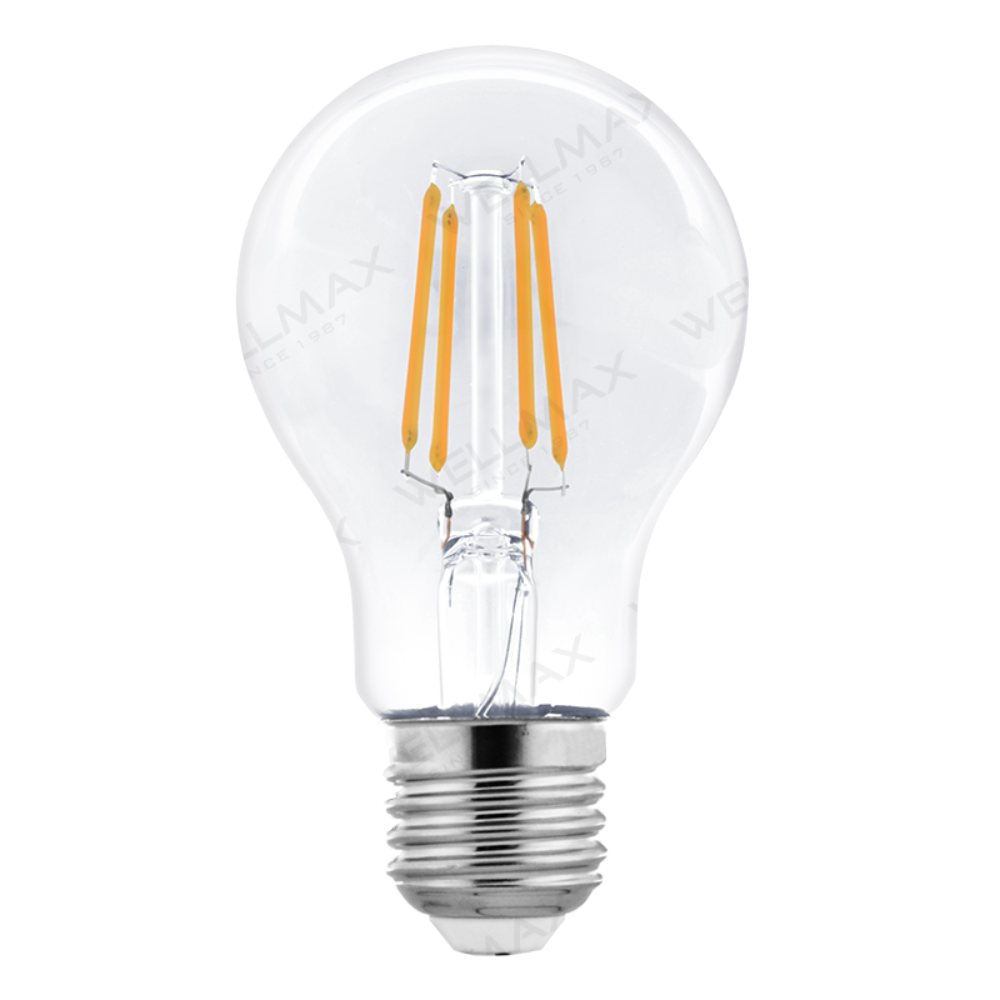
Selecting between LED filament bulbs and standard LED bulbs requires more than comparing their appearance. These two formats use different approaches for LED source placement, driver integration, thermal design, and optical structure. These structural differences affect light distribution and the visibility of internal components. Therefore, several product specifications require closer evaluation. For distributors, importers, retailers, and product managers, the key question is which format best fits the intended application. Buyers should then evaluate whether the selected structure aligns with the target price point, product design, and required lumen output.
In practical terms, the choice between an LED filament bulb and a standard LED bulb starts with their internal construction. An LED filament bulb relies on narrow LED filament strips positioned inside a glass envelope. This configuration creates an appearance similar to a traditional incandescent lamp. By contrast, a standard LED bulb typically uses LEDs mounted on a circuit board, which is placed inside an opaque housing or behind a diffuser. The housing also provides the thermal management structure for the LED and driver components. This basic structural difference drives many of the comparisons that follow.
How the Internal Structures Differ
An LED filament bulb places multiple LED emitters along very thin, filament-like carriers. These filaments sit inside the glass envelope. This configuration can support a wider light distribution, depending on the filament arrangement and optical design. Clear or amber glass can also keep the internal components visible. This makes the format suitable for applications where the bulb itself is intended to contribute to the overall visual design.
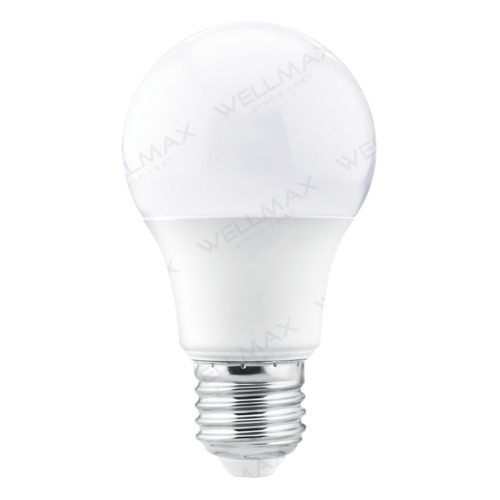
A standard LED bulb typically relies on a compact LED board located under a diffuser. Its driver and other electrical components sit inside the lower body. The housing is designed to dissipate heat from the LED and driver components. Since the electronic parts are hidden, manufacturers have more flexibility to optimize the housing for thermal performance, driver space, and available input-power range.
This is the first key difference between the two formats. The filament format emphasizes a visible, classic lamp-like shape and can support broad light distribution, depending on its optical design. Meanwhile, the standard format gives manufacturers more flexibility in product design and the electronic and thermal configuration. Still, neither approach removes the need to check electrical data, luminous flux, dimensions, power factor, and local-market documentation for the exact model.
Input Power and Luminous Efficacy: Compare the Numbers, Not the Shape
The glass envelope of a filament product can give it a more traditional appearance. However, appearance does not determine luminous flux. Buyers need to compare rated luminous flux and input power directly. Luminous efficacy is shown in lumens per watt. It indicates how efficiently a model converts input power into visible light. This metric is more useful than describing one format as brighter than the other.
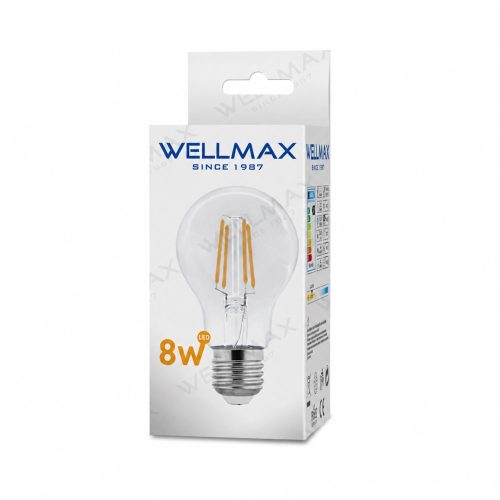
The WELLMAX A60 LED Filament Bulb range provides an example of how filament bulbs can combine decorative appearance with practical lighting requirements. For instance, one A60 8W model delivers 950 lm luminous flux. It has a 320° beam angle and a 0.7 power factor. Its dimensions are Ø60 × 105 mm. These specifications illustrate why filament bulb performance should be evaluated using measurable product data. Clear, frosted, and amber glass options can provide different visual effects and light diffusion characteristics for different applications.
When comparing standard LED bulbs with LED filament bulbs, buyers should focus on the specifications of the exact model rather than comparing product families only by appearance. Factors such as wattage, luminous flux, dimensions, lamp base, power factor, and application requirements provide a more practical basis for product selection.
Optical Appearance and Distribution
Filament construction can support a broad light distribution because the emitting strips are arranged inside the envelope rather than being concentrated on a relatively compact LED board. In clear-glass versions, the filaments are also visible when the bulb is on or off. That makes the product suitable for open pendants, exposed sockets, decorative fixtures, hospitality interiors, and retail displays where the appearance of the bulb matters as much as its rated output.
A standard LED bulb normally uses a diffuser that blends the output from the internal LEDs. This produces a more uniform luminous surface and hides the individual LED packages. In general-purpose residential and commercial use, that can be useful when the bulb is intended to provide functional illumination rather than serve as a decorative element. The housing also creates a familiar A-bulb form that is easy to match with common fixtures, subject to checking the lamp base, dimensions, and operating conditions.
For B2B product planning, this distinction affects assortment strategy. A retailer building a decorative range may prefer clear or amber filament options because the internal structure supports the intended style. A distributor supplying general-purpose replacement bulbs may prioritize standard A-bulb ranges because the diffuser, wattage coverage, and familiar housing can fit a wider set of everyday applications.
What B2B Buyers Should Check Before Choosing
The most reliable way to compare the two formats is to treat the product sheet as the main decision tool. The checklist below focuses on measurable factors that can be verified before sampling or bulk ordering.
| Check Item | Why It Matters | What to Compare |
| Luminous flux | Shows rated lumen output for the exact model. | Compare lumens at the same or similar wattage. |
| Wattage and efficacy | Separates input power from output performance. | Review W and lm/W instead of using appearance as a proxy. |
| Power factor | Affects input-current characteristics and may matter for target-market requirements. | Check the value for the exact wattage and market version. |
| Dimensions | Confirms physical fit in the intended fixture. | Compare bulb diameter, overall length, and fixture clearance. |
| Lamp base | Determines mechanical and electrical compatibility. | Confirm the required base type for the destination market. |
| Finish and optical structure | Changes visual appearance and diffusion. | For filament models, compare clear, frosted, or amber options; for standard models, review diffuser design. |
| Thermal design | Operating temperature influences LED and driver reliability. | Review housing design, component layout, and available test information. |
| Compliance documents | Market requirements differ by product and destination. | Request documentation that matches the exact model, wattage, and target market. |
WELLMAX offers a dedicated range of filament bulbs for applications where bulb appearance and light distribution are important. Standard A-bulb families provide additional choices for general illumination requirements, while the wider LED lighting portfolio supports broader product assortment planning.
Which Format Fits Which Application?
An LED filament bulb is generally more suitable when the bulb remains visible. It can also be appropriate when the classic look of the glass envelope is an important requirement. Clear and amber finishes fit well in decorative rooms, open luminaires, cafes, restaurants, and hotels. They can also be used in retail setups where a traditional lamp appearance is desired. Even in these cases, buyers must check luminous flux, input power, operating voltage, power factor, finish, dimensions, and dimming requirements. The product should be evaluated based on both appearance and lighting performance.
A standard LED bulb may be more suitable when the primary requirement is general-purpose replacement. It can also be appropriate when wide input-power coverage and smooth, diffused light are required. This format provides a housing that accommodates a compact driver and a thermal management structure. These products can be used across a wide range of residential and commercial applications, including homes, offices, restaurants, hotels, and supermarkets. The specific model should still be checked for fixture compatibility and compliance with local market requirements.
The choice between an LED filament bulb and a standard LED bulb therefore depends on the application requirements. In practical terms, the comparison should begin with the visual and structural requirements of the application. If the bulb is visible, optical appearance and finish may receive greater emphasis. If the bulb is concealed inside a shade or fixture, buyers may focus more on input-power range, luminous flux, thermal structure, and electrical specifications. For mixed retail setups, the two formats can serve different sales roles and do not have to occupy the same shelf space. The practical comparison is to identify the visual and structural requirement first, then validate the exact product data.
Final Comparison: Structure First, Specifications Second, Application Always
Comparing standard LED bulbs with LED filament bulbs becomes much clearer when the decision is divided into three layers. First, compare structure: visible filament strips and a glass envelope versus an LED board, diffuser, and dedicated housing. Second, compare measurable specifications such as input power, luminous flux, efficacy, dimensions, power factor, voltage, and finish. Third, match those specifications to the application and destination-market requirements.
For WELLMAX, the filament and standard A-bulb ranges are supported by model-specific specifications rather than a single generic performance claim. Buyers can use those data points to narrow down their product selection, then request product selection support and application-based technical consultation when an application requires additional review. Applicable certifications and compliance documentation should also be confirmed for the exact models and target markets involved.
That approach is more useful than asking which format performs best in every situation. LED filament products are well suited to applications where visible structure and wide light distribution are important. Standard LED bulbs are well suited to applications that require familiar diffused forms and broad general-purpose coverage. The right choice is the one whose tested specifications, physical design, and market documentation match the real application.
FAQ
Are LED filament bulbs less efficient than standard LED bulbs?
Not necessarily. Efficiency must be checked by model using wattage, luminous flux, and calculated or stated luminous efficacy. WELLMAX filament data includes high-efficacy models, while standard A-bulb ranges also cover multiple efficiency levels. A fair comparison uses exact product data rather than bulb appearance.
Is an LED filament bulb only for decorative use?
No. Decorative appearance is one of its advantages, especially in clear or amber glass, but filament products can also provide sufficient luminous flux for general lighting applications when their specifications meet the requirements of the intended use. The intended fixture, required luminous flux, lamp base, voltage, and thermal conditions should still be checked.
What is the main procurement difference between the two formats?
The main difference is what needs closer attention. With filament products, buyers may place greater emphasis on glass finish, visible filament arrangement, dimensions, and light distribution. With standard LED bulbs, buyers may place greater emphasis on diffuser design, housing structure, driver integration, thermal design, and available input-power range. In both cases, model-specific electrical data and applicable compliance documents remain important.