

 A Bulbs
 Deco Bulbs
 Filament Bulbs
 High Watt Bulbs
 Spot Lamps
 Others
 Downlights
 Spotlights
 Panel Lights
 Flood Lights
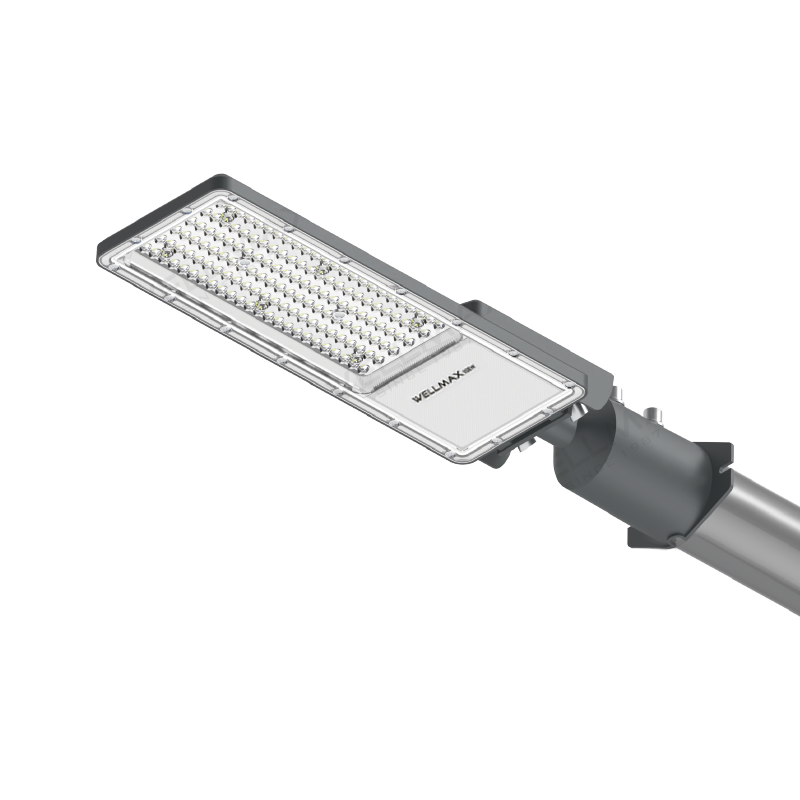 Street Lights
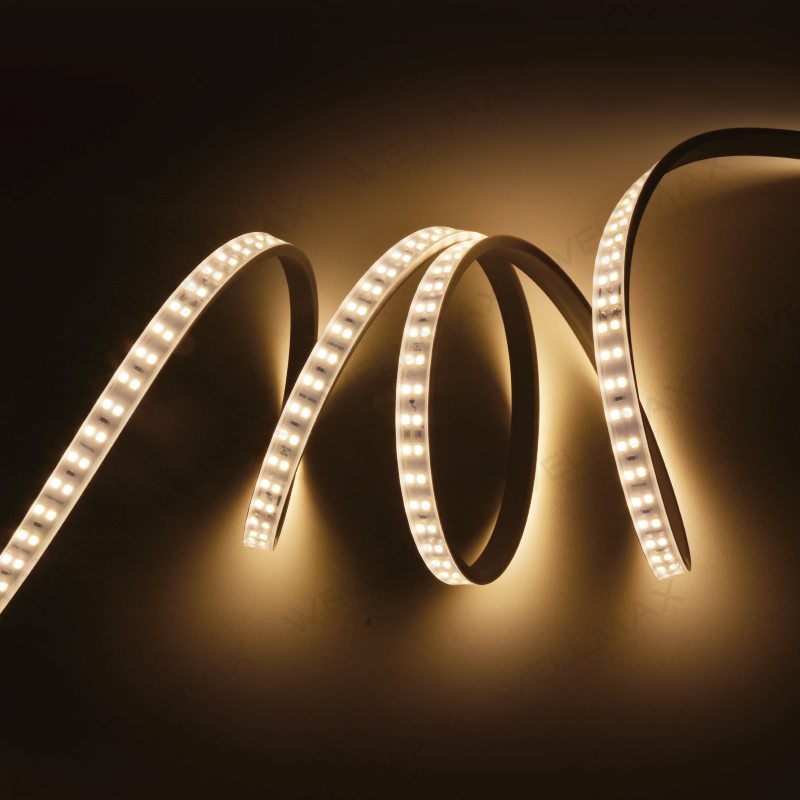 LED strip lights
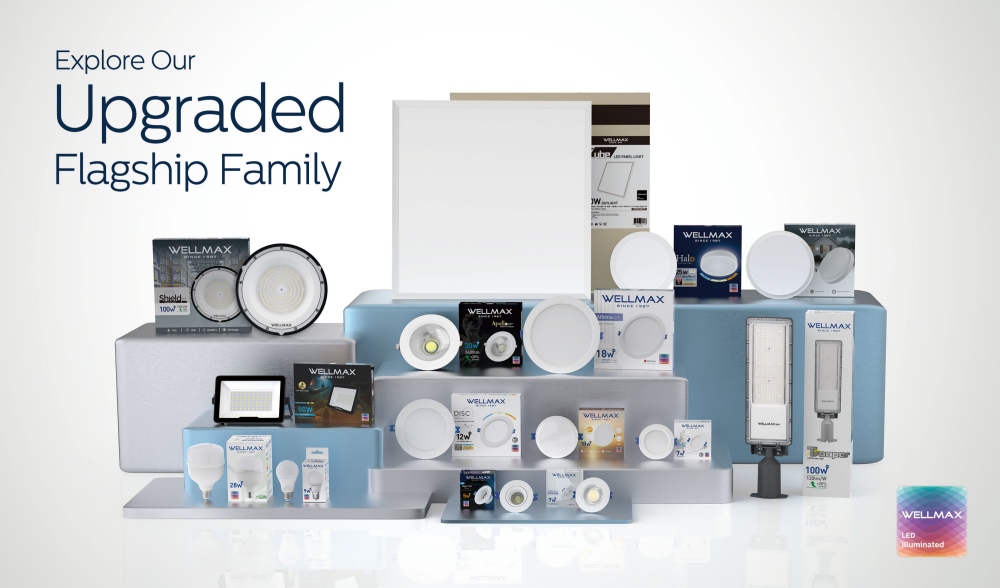
For distributors and importers, LED lighting trends in 2026–2027 extend beyond traditional lamp replacement demand. Looking ahead to 2027, distributors should consider energy efficiency, retrofit compatibility, product differentiation, and market-specific compliance requirements when planning their LED lighting portfolios.
These factors will influence product selection, installation compatibility, maintenance requirements, and portfolio expansion across residential, commercial, and industrial applications.
How Lighting Industry Trends Are Changing Product Selection
Today, LED lighting products are evaluated based on more than rated wattage and initial purchase cost. Buyers increasingly consider luminous flux, energy efficiency, mounting methods, beam angles, and correlated color temperature (CCT). Dimming compatibility, thermal management, rated lifetime, and the availability of technical documentation are also important selection factors.
These changing requirements affect how distributors structure their product portfolios. A clearly differentiated product range helps sales teams communicate product advantages, while installation compatibility helps contractors select suitable solutions. Too many similar SKUs can increase inventory costs, while an overly limited product range may fail to meet local market requirements, installation conditions, or project-specific application needs.
For 2026–2027 planning, distributors can evaluate each product by asking four key questions:
- Which replacement or project demand does it serve?
- Can the product fit common local installation conditions?
- Can the supplier provide the required technical and compliance documents?
- Can the range be expanded without creating unnecessary SKU complexity?
LED Bulbs Remain the Core Replacement Category
LED bulbs remain an important replacement category, serving residential and commercial applications as well as retail and electrical distribution channels. Their commercial value comes from broad application coverage and recurring replacement demand rather than a single product feature.
A well-planned LED bulb portfolio should cover suitable wattage options, bulb shapes, rated voltage ranges, and color temperatures while addressing the applicable requirements of each target market. Importers should also verify luminous flux, power factor, product dimensions, packaging requirements, and consistency across the selected product range. Any differences in dimensions, performance specifications, or electrical configurations across regional product versions should be confirmed before an order is placed.
WELLMAX offers multiple LED bulb series designed for different market segments and distribution needs. The Classic Series features familiar bulb shapes for general replacement applications. The Ballet Series features a patented, smooth design that provides visual differentiation. The Supernova Series offers a distinctive style and combines WELLMAX LED chips with a smart IC platform.
High-efficacy LED bulbs are also important in markets where energy-efficiency ratings and operating costs influence purchasing decisions. Selected WELLMAX high-efficacy LED bulb models are classified as energy class E and offer luminous efficacy above 115 lm/W. These specifications help distributors compare product performance. However, all marketing claims should be consistent with the applicable market requirements and model-specific technical documentation.
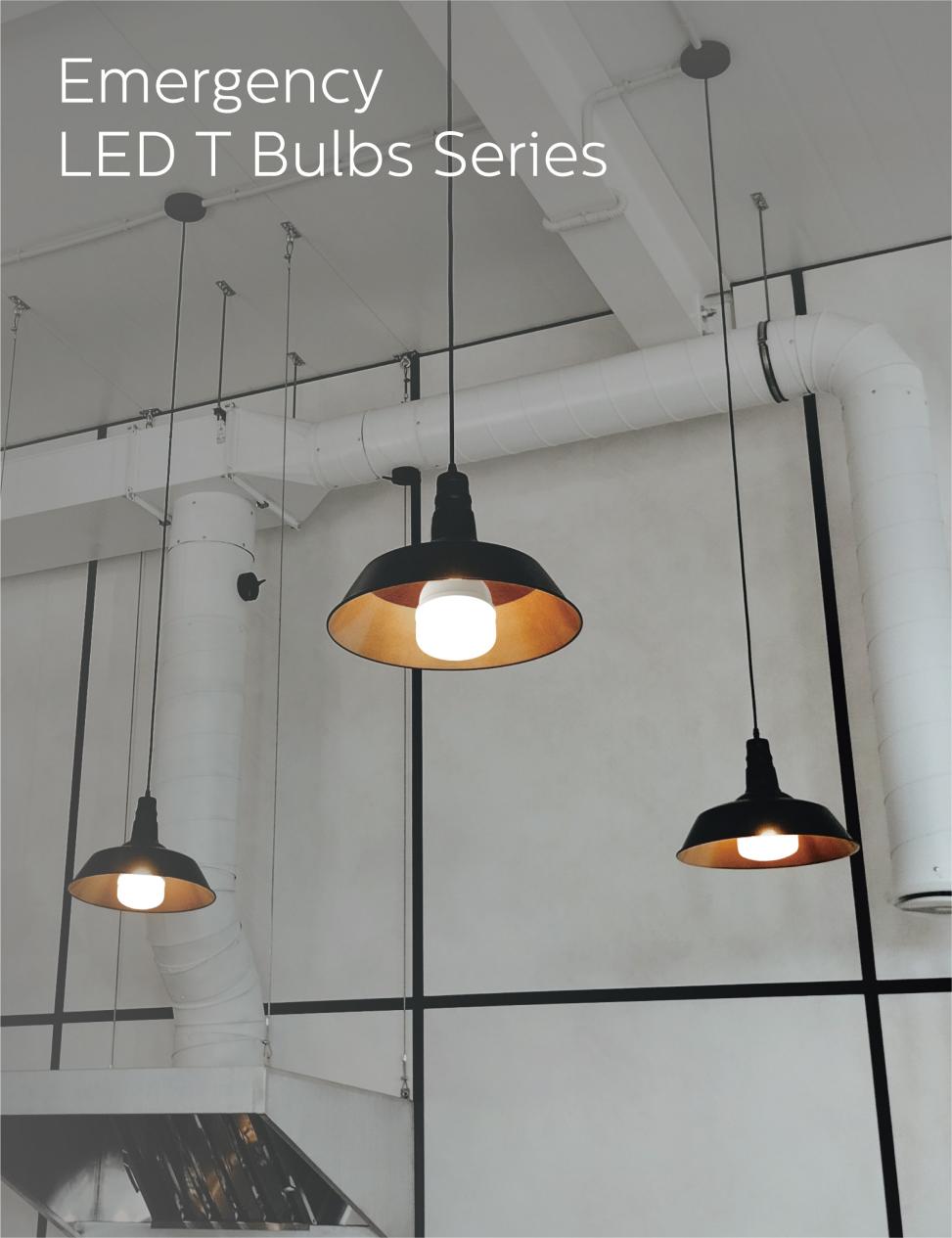
Emergency LED bulbs create a separate sales opportunity
Emergency LED bulbs provide backup lighting during power outages in suitable residential, retail, office, and similar applications. Their key specifications differ from those of standard bulbs. Distributors should review normal-mode and emergency-mode luminous flux, battery type, charging time, emergency backup duration, safety features, and lamp base type and compatibility.
Commercial Lighting Selection Is Shaped by Installation Conditions
Commercial lighting selection is increasingly application-specific. Offices, schools, retail shops, medical clinics, hotels, and civic buildings may have different requirements for glare control, ceiling compatibility, light distribution, correlated color temperature (CCT), and maintenance accessibility.
LED Panel Lights for Commercial Ceiling Applications
LED panel lights remain a practical option for applications requiring uniform, wide-area illumination. Distributors should evaluate LED panels based on more than rated wattage. Panel dimensions, luminous flux, mounting method, glare control, correlated color temperature (CCT), and driver configuration all influence suitability for the intended application.
Commercial LED spotlights serve focused lighting applications
Commercial LED spotlights are suitable for retail displays, showrooms, hotel interiors, corridors, and other commercial spaces requiring directional lighting. These applications often require precise beam control and targeted illumination. Key selection factors include beam angle, optical configuration, mounting method, correlated color temperature (CCT), luminaire dimensions, installation clearance, and thermal management design.
LED Strip Lighting Requires System-Based Planning
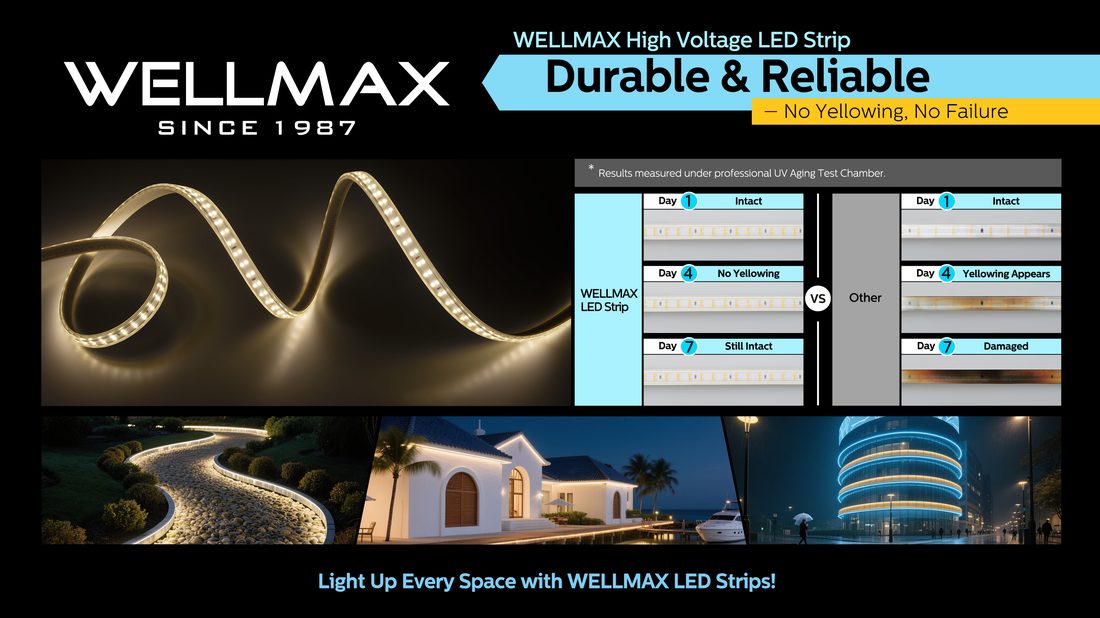
LED strip lights are used for furniture lighting, retail shelving, signage, hotel accent lighting, architectural features, and concealed linear lighting applications. Their suitability for project applications depends on the compatibility of the complete lighting system. LED strip installations should be planned with consideration for compatible power supplies, aluminum profiles, mounting methods, thermal management, and required accessories.
Distributors should distinguish between mains-voltage and low-voltage LED strip products and verify the rated input voltage and installation requirements for each type. They should also confirm whether the supplier can provide compatible aluminum profiles, power supplies, connectors, and other installation accessories. A system-based LED strip portfolio can simplify project quotations and support repeat orders by offering LED strips alongside compatible components and installation accessories.
Industrial and Outdoor Categories Can Add Project Value
Distributors serving construction, warehousing, industrial, and public infrastructure projects may also need to include industrial and outdoor lighting products in their portfolios. Key selection criteria include IP and IK ratings, surge protection, light distribution, mounting hardware, rated input voltage, maintenance accessibility, and thermal management.
Technical Documentation Supports Supplier Selection
Technical documentation helps buyers assess product suitability and market compliance. Before approving a product, distributors should request the model-specific documents required by the destination market, such as:
| Documentation to Request | Why It Matters |
| Luminous flux and luminous efficacy | Supports product comparison and energy claims |
| Rated input voltage and power factor | Confirms electrical compatibility |
| CCT, CRI, and beam angle | Helps match the application |
| IP and IK ratings | Supports environmental and impact requirements |
| Dimming and sensor compatibility | Prevents control-system mismatches |
| Product dimensions and mounting methods | Reduces installation problems |
| Applicable certifications and compliance documentation | Helps verify market-specific requirements and supports customer review |
| Supporting test reports, inspection records, and photometric test reports | Provides project teams with evidence for technical evaluation |
Documentation requirements vary by destination market and product category. Distributors should verify that all supporting documents correspond to the specific model and configuration rather than assuming that a single certificate applies to an entire product range.
Planning an LED Lighting Portfolio for 2027
When planning for 2027, distributors can balance established replacement products with project-oriented lighting solutions. LED bulbs can support routine replacement demand, while panel lights, spotlights, LED strips, high-bay lights, and street lights can serve commercial and industrial project requirements.
A useful portfolio plan can divide products into three groups:
| Portfolio role | Suitable product direction | Planning approach |
| Replacement demand | LED bulbs and emergency LED bulbs | Maintain suitable wattage options and base types for target markets. |
| Commercial project demand | LED panel lights and spotlights | Select products by installation method and application |
| Project and system expansion | LED strips, industrial lights, and outdoor luminaires | Include compatible accessories, protection ratings, and technical support in project quotations. |
This portfolio structure can help reduce unnecessary SKU duplication and limit overdependence on a single product category. It also gives distributors a framework to balance replacement lines with products selected for commercial and industrial projects.
Turn Your 2026–2027 Lighting Plan Into a Supply Program
A practical lighting strategy requires more than a product list. It also depends on a supplier able to support product selection based on local applications, destination-market requirements, expected order volumes, and distribution channels.
WELLMAX supports distributors and importers with product selection and application-based technical consultation. Its portfolio includes LED bulbs, emergency LED bulbs, LED panel lights, commercial LED spotlights, LED strips, high-bay lights, and street lights. This range allows partners to evaluate suitable products for replacement demand, commercial applications, and project requirements.
If you are planning your 2026–2027 LED lighting portfolio, contact WELLMAX with your target markets, preferred product categories, voltage requirements, distribution channels, and estimated order volumes. Our team can help identify suitable product options and provide further information on product specifications, applicable compliance documentation, and supply arrangements.